


Most British homeowners aiming for a luxury transformation discover that interior renovation language quickly becomes confusing. Without fluency in these specialised terms, it is easy to feel lost when discussing microcement finishes or artisanal details with contractors. Over 60 percent of renovation delays are linked to communication gaps about technical terminology. This guide breaks down key surface finish terms, providing clarity so you can confidently pursue high-end, modern design for your South of England home.
Table of Contents
- Defining Interior Renovation Terminology
- Types of Decorative Surface Finishes
- Key Features of Microcement Applications
- Understanding Clay Paint and Artisanal Finishes
- Practical Implications: Costs and Common Pitfalls
Key Takeaways
| Point | Details |
|---|---|
| Understanding Terminology | Familiarity with renovation terms enhances communication with professionals and informed decision-making during projects. |
| Surface Finish Selection | Choose finishes based on durability, maintenance needs, and aesthetic compatibility for your specific interior spaces. |
| Financial Planning | Allocate a contingency budget of 15-20% to accommodate unexpected costs associated with renovation projects. |
| Avoiding Common Pitfalls | Conduct thorough pre-inspections and verify installer credentials to mitigate risks and ensure quality outcomes. |
Defining Interior Renovation Terminology
Interior renovation involves a complex landscape of specialised terminology that can often feel overwhelming for homeowners. Understanding design language allows for more effective communication with professionals and more confident decision-making during home transformation projects. The terminology encompasses everything from surface treatments and architectural elements to material selections and design philosophies.
At its core, interior renovation terminology breaks down into several key categories: material specifications, design principles, technical processes, and aesthetic considerations. Surface finishes represent a critical component of this vocabulary, referring to the textural and visual treatments applied to walls, floors, and architectural elements. These might include microcement coatings, liquid stone applications, clay paint techniques, and other specialised treatments that transform spaces with unique visual and tactile qualities.
Professional renovation language also involves understanding precise technical descriptors. Terms like substrate preparation, seamless application, thermal performance, and load-bearing capacity provide critical information about how materials interact and perform within interior spaces. These technical terms help homeowners and design professionals communicate specific expectations about material durability, aesthetic outcomes, and functional requirements.
Pro tip: Keep a glossary of renovation terms handy during your project to ensure clear communication with contractors and design professionals.
Types of Decorative Surface Finishes
Decorative surface finishes represent a dynamic spectrum of materials and techniques that transform interior spaces, offering homeowners unprecedented opportunities for personalisation and aesthetic expression. Diverse wall and floor finishes range from traditional materials like stone and wood to contemporary solutions such as microcement and liquid stone applications. Each finish brings unique textural qualities, visual characteristics, and functional performance to interior environments.
The primary categories of decorative surface finishes include natural materials, synthetic coatings, and artisanal treatments. Natural finishes encompass stone, marble, granite, and wooden surfaces that provide organic textures and inherent visual depth. Synthetic finishes include advanced materials like microcement, epoxy coatings, and specialised polymer-based treatments that offer enhanced durability, seamless application, and extensive colour and texture possibilities. Artisanal treatments such as clay paint, textured plasterwork, and hand-applied lime washes represent more specialised techniques that deliver distinctive, handcrafted aesthetic experiences.
Technical considerations play a crucial role in selecting appropriate surface finishes. Factors like moisture resistance, thermal performance, maintenance requirements, and aesthetic compatibility must be carefully evaluated. Professional designers and renovation specialists assess substrate conditions, environmental exposure, functional demands, and aesthetic preferences to recommend the most suitable decorative surface treatments for specific interior spaces.
Pro tip: Always request material samples and test finish durability in a small, inconspicuous area before committing to a full-scale application.
Here’s a comparison of popular decorative surface finishes and their typical uses:
| Surface Finish | Typical Application Area | Distinctive Benefit | Care Requirement |
|---|---|---|---|
| Microcement | Kitchens, bathrooms, floors | Seamless, waterproof, modern | Occasional resealing |
| Natural Stone | Walls, fireplaces, entrances | Unique visual depth, durable | Regular cleaning |
| Epoxy Coating | Garage floors, utility rooms | Highly wear-resistant, glossy | Easy to clean, maintain |
| Clay Paint | Living rooms, bedrooms | Breathable, eco-friendly | Gentle dusting required |
| Wooden Panels | Feature walls, ceilings | Warm ambience, natural feel | Oiling or polishing |
Key Features of Microcement Applications
Microcement represents a revolutionary surface treatment that has transformed interior design approaches with its exceptional versatility and performance characteristics. Sustainable material for future design offers homeowners an innovative solution for creating seamless, contemporary interior environments. This cutting-edge material distinguishes itself through remarkable adaptability, enabling application across horizontal and vertical surfaces with minimal disruption to existing architectural structures.
The primary technical features of microcement include extraordinary adhesion properties, water resistance, and thin application capabilities. Unlike traditional flooring and wall treatments, microcement can be applied directly over existing surfaces, creating a continuous, jointless finish that eliminates grout lines and potential moisture penetration points. Professional installers can achieve layer thicknesses as minimal as 2-3 millimetres, making it an ideal solution for renovation projects requiring lightweight, high-performance surface treatments.
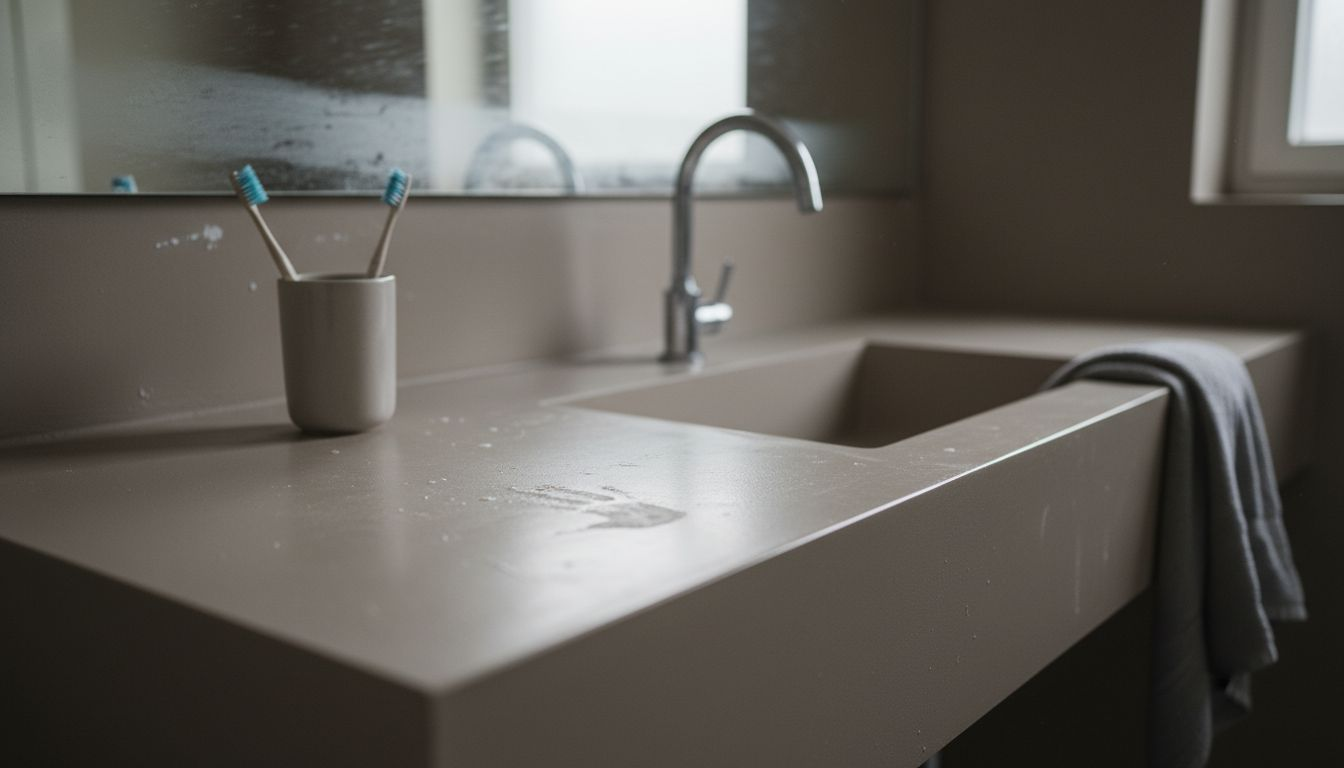
Functional advantages of microcement extend beyond aesthetic considerations. The material demonstrates remarkable durability, offering resistance to mechanical stress, temperature fluctuations, and environmental challenges. Its non-porous surface prevents bacterial growth, making it particularly suitable for hygiene-critical spaces like bathrooms and kitchens. Additionally, microcement’s seamless nature allows for enhanced thermal and acoustic insulation, contributing to improved energy efficiency and interior comfort.
Pro tip: Consult professional installers to understand specific substrate preparation requirements before applying microcement to ensure optimal adhesion and long-term performance.
Understanding Clay Paint and Artisanal Finishes
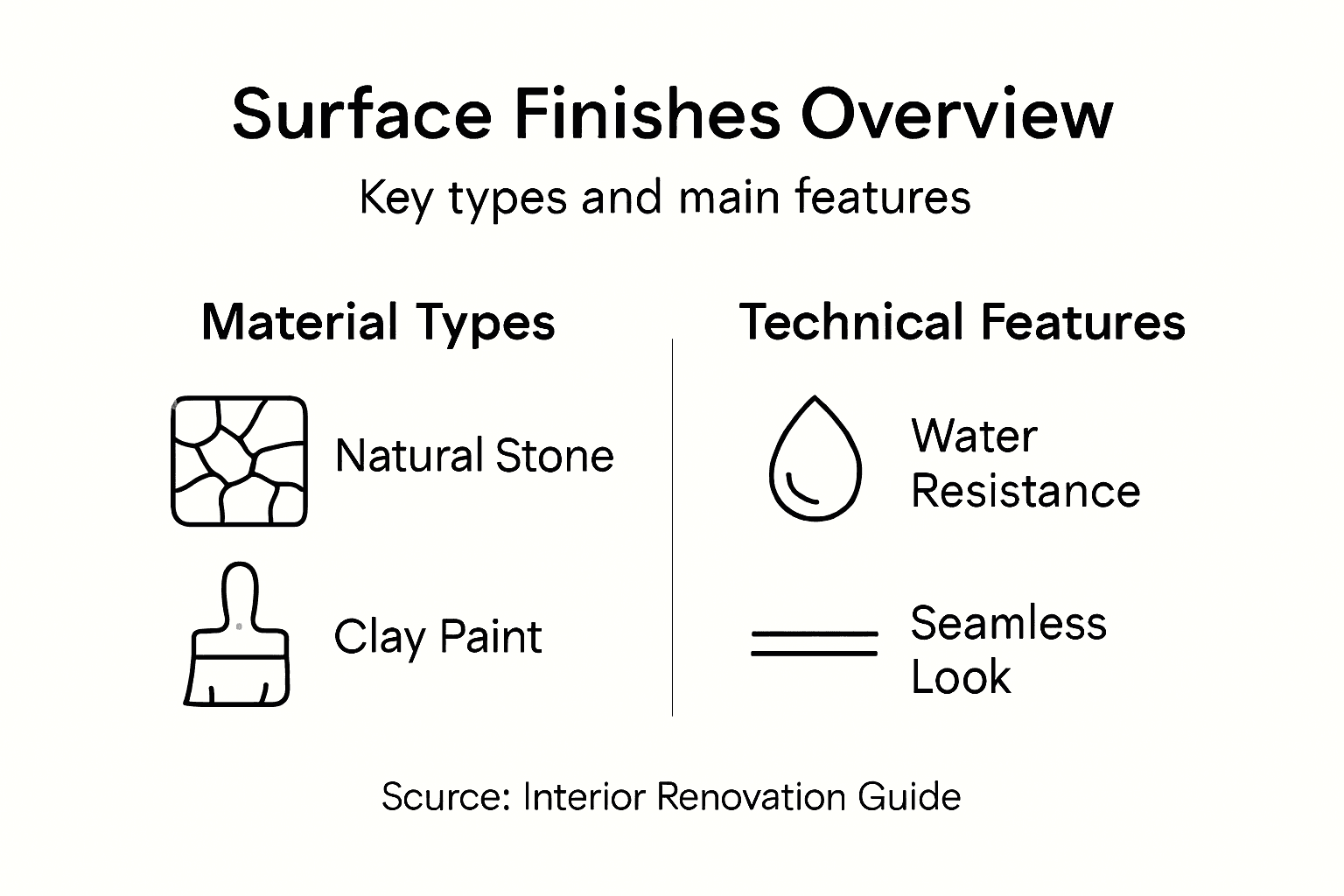
Artisanal surface treatments represent a sophisticated approach to interior design, offering homeowners unique opportunities to create personalised, environmentally conscious living spaces. Natural clay plaster techniques provide an innovative solution for those seeking sustainable, breathable wall finishes with exceptional aesthetic qualities. These handcrafted applications transform interior environments by introducing organic textures, natural pigments, and eco-friendly material compositions.
The fundamental characteristics of clay paint include its remarkable breathability, natural composition, and ability to regulate indoor humidity levels. Unlike conventional synthetic wall coatings, clay-based finishes create a soft, matte appearance with subtle depth and warmth. Professional artisans can manipulate clay paint application techniques to produce diverse visual effects, ranging from smooth, uniform surfaces to textured, rustic treatments that showcase the material’s inherent tactile qualities.
Technical considerations for clay paint and artisanal finishes extend beyond aesthetic appeal. These specialist treatments offer significant environmental benefits, typically featuring zero volatile organic compounds (VOCs), natural pigment sources, and minimal environmental impact. Professional installers carefully prepare substrates, select appropriate clay compositions, and apply multiple layers to achieve optimal coverage, durability, and visual richness. The versatility of clay-based finishes allows application across various interior spaces, from living areas and bedrooms to more moisture-sensitive environments like bathrooms and kitchens.
Pro tip: Request colour samples and test application techniques on small wall sections to understand how natural light and room conditions interact with clay paint finishes.
Practical Implications: Costs and Common Pitfalls
Interior renovation projects demand meticulous financial planning and strategic decision-making to manage potential budgetary challenges effectively. Construction cost management strategies reveal that successful projects require comprehensive understanding of potential financial risks and proactive mitigation techniques. Homeowners embarking on surface renovation must navigate complex economic considerations that extend far beyond initial material and labour expenses.
The primary financial considerations in surface treatments involve material selection, labour complexity, and long-term performance metrics. Professional-grade finishes like microcement and artisanal clay paints typically range from £80 to £250 per square metre, depending on substrate preparation requirements, surface complexity, and application techniques. Common cost escalation factors include unexpected substrate repairs, specialised preparation work, multiple application layers, and the need for expert craftsmanship that ensures optimal aesthetic and functional outcomes.
Identifying and mitigating potential renovation pitfalls requires strategic planning and professional consultation. Homeowners frequently encounter challenges such as inadequate surface preparation, incorrect material selection, poor application techniques, and underestimating project complexity. Critical risk management involves obtaining multiple professional quotes, requesting detailed project scoping, understanding material compatibility, and establishing clear contractual expectations regarding finish quality, durability, and potential remediation processes. Professional installers recommend comprehensive substrate assessment, moisture content evaluation, and thorough surface preparation to prevent future performance issues.
Pro tip: Allocate a 15-20% contingency budget beyond initial project estimates to accommodate unexpected renovation complexities and potential material adjustments.
The following table summarises common cost drivers and pitfalls for surface renovation projects:
| Cost Driver | Typical Pitfall | Preventive Action |
|---|---|---|
| Substrate repair requirements | Underestimating hidden faults | Request thorough pre-inspection |
| Specialised labour | Low-quality finish from inexperience | Verify installer credentials |
| Multiple layers | Escalated material usage | Clarify layer count in agreement |
| Unexpected complexities | Overlooked budget contingencies | Set aside contingency funds |
Elevate Your Interior Renovation with Expert Surface Solutions
Navigating the complex terminology of interior renovations can be daunting but essential in achieving stylish and durable surfaces. If you are overwhelmed by terms like microcement, substrate preparation, or artisanal clay paints, professional guidance can transform this challenge into an opportunity. At KT Construction, we specialise in bespoke decorative surface finishes that bring clarity and quality to your project while delivering stunning, seamless, and long-lasting results.
Discover how our expert team, with over 20 years’ experience servicing homeowners and designers across the South of England, can help you select the perfect surface treatment for your floors, walls, stairs, or furniture. Whether it is the waterproof versatility of microcement or the eco-friendly charm of artisanal clay paints, our craftsmanship ensures your vision becomes a reality. Start your journey to a stylish, resilient interior today by visiting KT Construction and see how we bring exceptional surface renovation expertise directly to your space.
Frequently Asked Questions
What are the key terms used in interior renovation?
Interior renovation terminology includes material specifications, design principles, technical processes, and aesthetic considerations related to surface finishes and architectural elements.
What are decorative surface finishes?
Decorative surface finishes encompass a variety of materials and techniques used to enhance the aesthetic appeal of interior spaces, including natural materials, synthetic coatings, and artisanal treatments.
Why is microcement a popular choice for renovations?
Microcement is popular due to its seamless application, extraordinary adhesion properties, and water resistance, making it suitable for both horizontal and vertical surfaces without the need for extensive substrate work.
What are the benefits of using clay paint in interior design?
Clay paint offers a soft, matte finish that breathes and regulates humidity levels, while also being eco-friendly with zero volatile organic compounds (VOCs), making it a sustainable choice for various interior spaces.
