


Selecting the perfect finish is never just about colour or texture for discerning designers and architects in the South of England. Every wall, floor, and ceiling surface becomes a statement of style and a promise of lasting quality. The demand for innovative, durable finishes that harmonise aesthetics with eco-friendly materials keeps rising in high-end residential projects. Here, you’ll discover the essential qualities and new possibilities that distinguish standout finishes from fleeting trends.
Table of Contents
- Defining Modern Decorative Finishes
- Essential Types And Key Characteristics
- Microcement And Artisanal Finishes Explained
- How Surface Finishes Transform Interiors
- Practical Considerations For Designers And Architects
Key Takeaways
| Point | Details |
|---|---|
| Emphasise Durability | Selecting finishes with proven durability is crucial for high-traffic areas; functionality should guide initial decisions over aesthetics. |
| Consider Environmental Impact | Eco-friendly finishes with low volatile organic compounds can enhance indoor air quality, meeting client expectations for sustainability. |
| Balance Performance and Aesthetics | High-quality finishes should not only look appealing but also protect against elements like moisture and wear, ensuring long-term satisfaction. |
| Be Context-Aware | Understanding the cultural and architectural context of a location is essential for making authentic finish selections that resonate with the space. |
Defining Modern Decorative Finishes
Modern decorative finishes extend far beyond simple paint or varnish. These are carefully selected materials applied to surfaces to enhance both aesthetic appeal and functional performance across interiors and exteriors. In today’s high-end residential design within the South of England, finishes represent a critical decision point that bridges the gap between vision and reality.
The distinction matters more than you might think. A finish isn’t merely a coating. It’s a protective layer, a design statement, and a functional investment rolled into one. Whether you’re specifying microcement for a kitchen floor, clay paint for bedroom walls, or textured finishes for feature surfaces, you’re selecting materials that will shape how a space feels, performs, and ages over time.
Contemporary design has moved decisively away from minimalist austerity. Research into contemporary decorative elements in modern architecture reveals a significant shift toward richer ornamentation and layered aesthetic complexity in recent years. For architects and interior designers in affluent residential areas, this means clients increasingly expect finishes that deliver visual depth alongside durability and sustainability.
What separates modern finishes from traditional approaches is their dual purpose. They protect substrates from moisture, wear, and environmental damage whilst simultaneously expressing design intent. A quality finish on a bathroom wall doesn’t just look beautiful; it resists humidity, prevents mould, and maintains its appearance for years with minimal maintenance.
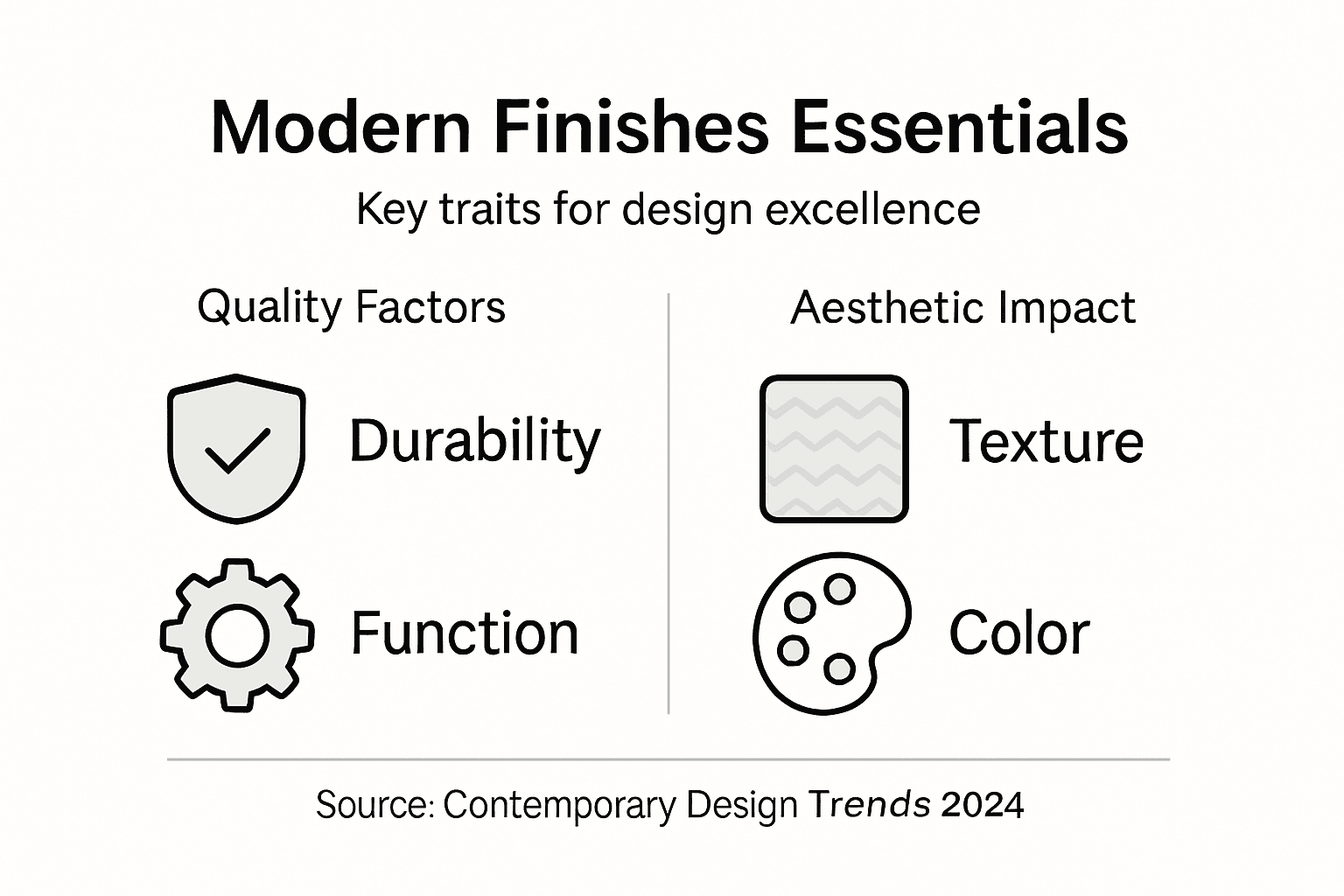
The finishes commanding attention in contemporary projects combine three essential qualities. First, they must demonstrate genuine durability that justifies their specification in high-traffic residential spaces. Second, they need to offer aesthetic versatility—whether that’s seamless continuity across rooms or dramatic textural contrast. Third, they increasingly must align with eco-conscious values that your clients hold.
Pro tip: When selecting finishes for bespoke projects, request detailed performance data and lifespan projections rather than relying on appearance alone; finishes that excel aesthetically but fail functionally within five years damage both your reputation and your clients’ trust.
Essential Types and Key Characteristics
The finishes commanding attention in residential design across the South of England fall into distinct categories, each offering unique performance profiles and aesthetic possibilities. Understanding these types helps you match materials to specific project demands rather than selecting based on appearance alone.
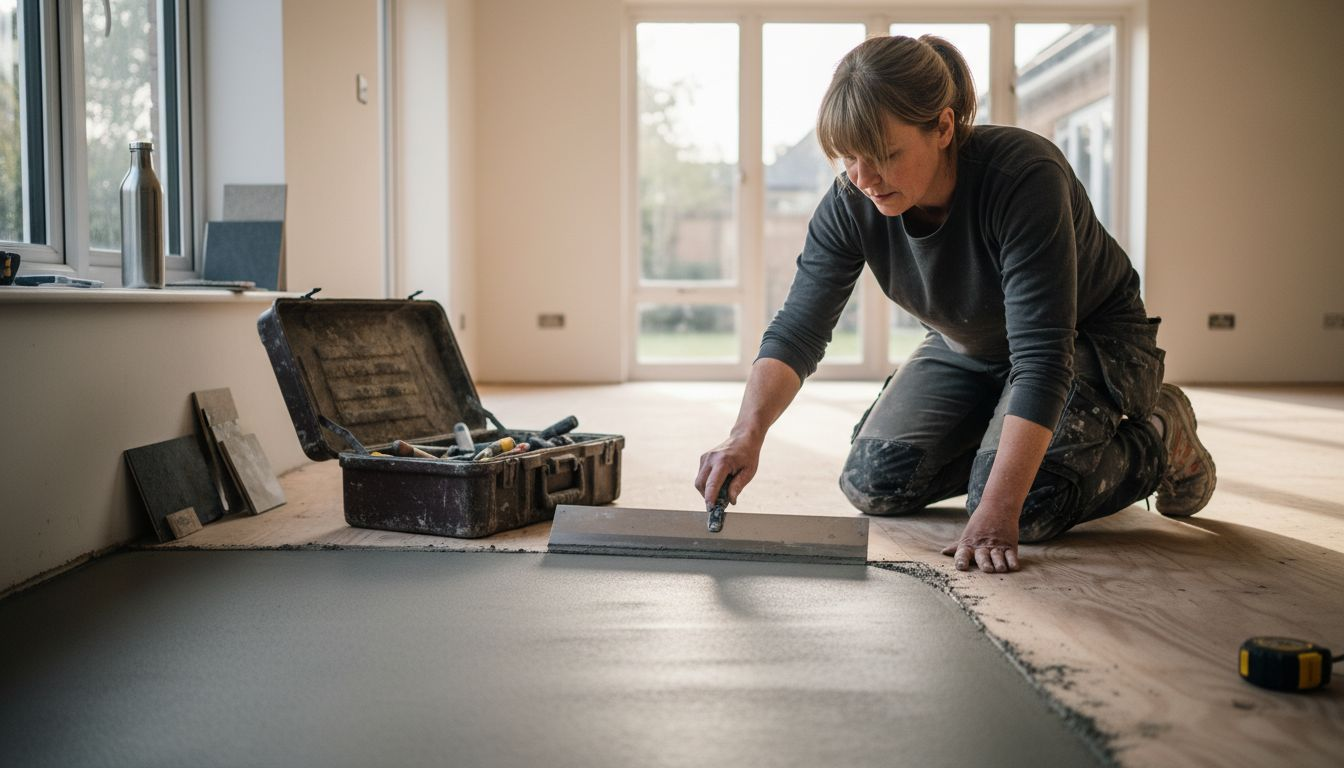
Microcement stands out for seamless application across floors, walls, and even furniture surfaces. This cement based finish creates a monolithic appearance whilst offering excellent durability and waterproofing capabilities. What makes it particularly valuable in bespoke projects is its ability to wrap around complex geometries without visible joints, transforming ordinary surfaces into sculptural elements.
Clay paint represents an entirely different approach. Natural stone finishes and clay based materials provide breathable surfaces that regulate indoor humidity naturally whilst delivering warm, textured aesthetics. Unlike conventional paints, clay absorbs and releases moisture, making it ideal for bedrooms and living spaces where environmental comfort matters.
Liquid stone finishes bridge the gap between concrete’s industrial edge and luxurious polish. These poured finishes create flowing, organic surfaces with depth that catches light beautifully. They work exceptionally well for feature walls and high traffic areas where durability meets design drama.
Textured wall coverings offer tactile richness that flat finishes cannot match. Whether you’re specifying natural materials like wood veneer or ceramic applications, textured surfaces add visual interest whilst improving acoustic properties. This matters in open plan homes where sound management becomes crucial.
The key distinction across all modern finishes involves balancing three factors. Durability determines how long the finish maintains its appearance under daily use. Maintenance requirements affect long term client satisfaction, particularly in kitchens and bathrooms. Aesthetic flexibility allows finishes to work across multiple project styles without appearing forced or dated.
Here is a comparison of popular modern decorative finishes, highlighting their distinctive qualities:
| Finish Type | Main Benefit | Best Application Areas | Unique Consideration |
|---|---|---|---|
| Microcement | Seamless durability | Kitchens, bathrooms, stairs | No visible joints, waterproof |
| Clay Paint | Humidity regulation | Bedrooms, living rooms | Natural breathability, eco-friendly |
| Liquid Stone | Dramatic depth | Feature walls, hallways | Organic patterns, hard-wearing |
| Textured Covering | Acoustic enhancement | Open-plan spaces, lounges | Tactile richness, sound dampening |
Pro tip: Always specify finishes based on room function first, aesthetics second; a beautiful finish in a high moisture bathroom will fail prematurely, but a durable finish can look stunning when properly detailed and maintained.
Microcement and Artisanal Finishes Explained
Microcement has become the go-to specification for architects and designers pursuing seamless, contemporary aesthetics across residential projects in the South of England. This Portland cement based material creates continuous surfaces without visible joints, delivering a modern matte finish that feels both refined and tactile. Unlike traditional flooring or wall treatments, microcement works brilliantly across multiple planes, wrapping stairs, floors, and feature walls in unified visual harmony.
The real strength of microcement lies in its durability. Once properly cured, it resists moisture exceptionally well, making it perfect for kitchens, bathrooms, and wet rooms where conventional finishes fail. The material also tolerates heavy foot traffic and daily wear without visible degradation, which matters enormously when clients expect their investment to perform beautifully for years.
Artisanal finishes like Venetian plaster and limewash represent an entirely different philosophy. These hand applied techniques demand genuine craftsperson expertise to achieve consistent, beautiful results. Each application carries subtle variation that distinguishes artisanal work from industrial consistency. For bespoke residential projects, this variation becomes a selling point rather than a limitation.
What separates artisanal finishes from microcement is their relationship with surfaces. Microcement creates uniform matte surfaces that photograph beautifully and maintain appearance effortlessly. Artisanal finishes interact with light differently, creating depth and movement that shift throughout the day. A Venetian plaster wall in morning light looks distinctly different by evening, adding dynamic visual interest to living spaces.
The choice between these approaches depends entirely on project intent and client expectations. Microcement suits contemporary homes prioritising clean lines, seamless transitions, and low maintenance living. Artisanal finishes serve clients seeking warmth, character, and handcrafted authenticity. Many successful projects actually combine both approaches, using microcement for high performance zones like bathrooms whilst specifying artisanal treatments in living areas where aesthetic richness matters most.
Pro tip: When presenting material options to clients, physically apply small samples to walls in their spaces rather than showing colour charts; microcement and artisanal finishes behave differently under actual lighting conditions, and seeing them in situ prevents expensive specification regrets.
How Surface Finishes Transform Interiors
Surface finishes do far more than simply cover walls, floors, and ceilings. They fundamentally reshape how spaces function, feel, and perform over time. The difference between a mediocre finish and an excellent one often goes unnoticed by clients until years pass and maintenance requirements become apparent or aesthetic qualities fade.
Consider how a finish affects sensory experience. A microcement floor doesn’t just look sleek; it feels cool underfoot, absorbs sound slightly differently than tile, and creates visual continuity that makes rooms feel larger. A clay paint wall absorbs sound naturally and regulates humidity, affecting how rooms sound and feel during different seasons. These aren’t minor details when clients are investing significantly in bespoke residential spaces.
Surface materials impact interior design far beyond aesthetics, encompassing sustainability, occupant wellbeing, and space functionality. When you specify eco-friendly finishes with low volatile organic compounds, you’re affecting air quality and resident health. When you choose durable materials that age gracefully, you’re reducing the environmental cost of future replacements.
The transformation extends to spatial perception. Textured finishes create visual interest that photographs beautifully and prevents spaces from feeling sterile or cold. Matte finishes eliminate glare and create intimate atmospheres, whilst polished finishes amplify light and expand perceived space. The psychological impact of these choices influences how residents experience their homes daily.
Finishes also determine practical lifespan. A high traffic kitchen with inadequate surface protection requires renovation within five years. The same kitchen with properly specified, durable finishes functions beautifully for fifteen years with minimal intervention. This durability becomes a form of sustainability that clients rarely calculate but deeply appreciate.
The transformation happens at multiple levels simultaneously. Functionally, finishes protect substrates and ease maintenance. Aesthetically, they express design intent and create visual coherence. Psychologically, they influence mood and comfort. Economically, they determine long-term value retention and maintenance costs.
The following table summarises how surface finishes impact residential interiors at different levels:
| Impact Level | Functional Effect | Design Contribution |
|---|---|---|
| Physical | Protects from wear/moisture | Ensures durability and longevity |
| Sensory | Alters acoustics, humidity | Enhances comfort and atmosphere |
| Psychological | Influences mood, perception | Shapes resident wellbeing daily |
| Economic | Reduces maintenance costs | Increases property value over time |
Pro tip: Schedule site visits with clients at different times of day to observe how finishes perform under varying light conditions; a finish that looks perfect in afternoon sunlight may reveal completely different characteristics under morning north light or artificial lighting.
Practical Considerations for Designers and Architects
Selecting finishes for bespoke residential projects involves far more complexity than aesthetic preference. You’re simultaneously balancing technical performance, client expectations, budget constraints, and long-term maintenance realities. Getting this balance wrong creates friction that damages your professional reputation.
Material selection in architectural design requires weighing physical properties, visual appearance, and user experience alongside sustainability and cost factors. This means understanding not just how a finish looks, but how it behaves under specific environmental conditions. A beautiful clay paint finish specified for a high moisture bathroom becomes a cautionary tale within eighteen months.
Functionality must drive your initial decisions. Consider the specific use case rigorously. Kitchen splashbacks require moisture resistance and easy cleaning. Bedroom walls prioritise breathability and acoustic comfort. Bathroom surfaces demand waterproofing and antimicrobial properties. Only after establishing functional requirements should aesthetic considerations shape your final choice.
Durability assessment demands honest evaluation. Finishes must resist wear in high-traffic areas and align with environmental conditions to achieve both aesthetic and performance objectives. A microcement floor in an entrance hall endures thousands of footsteps daily. Specify inadequately and you’ve created a maintenance nightmare for clients who trusted your expertise.
Lifecycle costing changes how you evaluate budget conversations. A premium finish costing 40 percent more initially but requiring zero maintenance over fifteen years often delivers better value than a cheaper option requiring refresh within five years. Help clients understand total cost of ownership rather than just initial outlay.
Environmental compatibility matters increasingly. Clients expect finishes that perform beautifully whilst reflecting their eco-conscious values. Specify materials with low volatile organic compounds, minimal embodied carbon, and proven durability. This isn’t additional work, it’s professional responsibility.
Cultural context influences perception too. What reads as contemporary luxury in Chelsea may feel inappropriate in rural Sussex. Contextual sensitivity ensures finishes feel authentic to their location and architectural setting.
Pro tip: Create a specification matrix for each project documenting functional requirements, environmental conditions, maintenance capacity, aesthetic intent, and budget limits before evaluating any finish options; this systematic approach prevents emotional decisions and ensures recommendations withstand client scrutiny.
Elevate Your Interiors with Expert Decorative Finishes
Achieving modern design excellence requires finishes that are more than just visually appealing. As the article highlights, selecting materials that balance durability, moisture resistance, and aesthetic versatility is essential to protect your investment and create interiors that truly resonate with comfort and style. If you are facing challenges like premature wear, poor moisture performance, or finishes that fail to meet eco-conscious expectations, trust specialists who understand how to deliver finishings that perform beautifully over time.
At KT Construction, we specialise in seamless microcement applications for floors, walls, stairs, and furniture that align perfectly with contemporary living demands. Our artisanal finishes—ranging from clay paints to liquid stone and textured wall coverings—are crafted to enhance breathability, regulate humidity, and add tactile depth to your spaces. With over 20 years of expertise serving the South of England, we bring the craftsmanship and technical precision needed to turn your vision into a lasting reality.
Discover how our expert surface finishes can transform your residential or commercial interiors with enduring style and functionality. Visit KT Construction today to explore bespoke solutions that combine innovation with eco-friendly materials. Act now to ensure your project benefits from finishes designed to impress and perform for years to come.
Frequently Asked Questions
What are modern decorative finishes?
Modern decorative finishes are materials applied to surfaces to enhance aesthetics and functionality, beyond mere paint or varnish. They serve as protective layers, design statements, and functional investments, impacting how spaces feel and perform over time.
How do I select the right finish for a room?
When selecting finishes, consider the room’s function first, such as moisture resistance in bathrooms or breathability in bedrooms, and then prioritise aesthetic choices. Detailed performance data and maintenance requirements should also inform your decision.
What are the advantages of using microcement?
Microcement offers seamless application with no visible joints, excellent waterproofing, and exceptional durability, making it ideal for high-traffic areas like kitchens and bathrooms. Its modern matte finish enhances visual continuity across various surfaces.
Why is durability important in decorative finishes?
Durability ensures that finishes maintain their appearance and performance over time, reducing the frequency of replacements and thereby minimising long-term maintenance costs. A high-quality finish not only protects underlying materials but also sustains the aesthetic value of a space.
