


Refreshing a South England home with visionary surfaces is more than choosing a colour or texture. Discerning homeowners and designers now seek finishes that blend style with environmental integrity. Today’s decorative finishes offer an enticing range of options for transforming spaces, combining artistic flair with eco-friendly craftsmanship. Discover how innovative materials and thoughtful design choices can elevate your interiors, delivering both lasting beauty and sustainable performance for your next project.
Table of Contents
- Defining Decorative Finishes In Modern Interiors
- Types And Applications Of Decorative Surface Finishes
- Key Benefits: Durability, Versatility, And Eco-Friendliness
- Customisation, Style, And Artisanal Craftsmanship
- Cost, Maintenance, And Comparing Alternatives
Key Takeaways
| Point | Details |
|---|---|
| Decorative Finishes Enhance Interiors | They provide aesthetic transformation and functional protection, elevating space character and resilience. |
| Variety of Options Available | Modern finishes such as microcement and natural stone offer unique visual and tactile qualities suited for various environments. |
| Sustainable Choices Matter | Eco-friendly materials improve indoor air quality and reduce environmental impact, combining style with responsibility. |
| Customisation Adds Value | Tailoring finishes to individual preferences brings personal narratives to spaces, promoting creativity and artisanal craftsmanship. |
Defining Decorative Finishes in Modern Interiors
Decorative finishes represent sophisticated surface treatments that transform interior spaces from ordinary to extraordinary, offering both aesthetic enhancement and functional protection. These specialised materials go beyond traditional paint or wallpaper, creating textured, layered environments that reflect contemporary design sensibilities.
In modern interior design, decorative finishes serve multiple critical purposes:
- Aesthetic transformation of surfaces
- Protection against wear and environmental damage
- Enhancement of spatial atmosphere
- Creation of unique visual narratives
- Improvement of acoustic and thermal properties
Interior surface finishes encompass a wide range of materials designed to cover and elevate interior surfaces. These finishes are not merely cosmetic additions but strategic design elements that dramatically influence a space’s character and functionality.
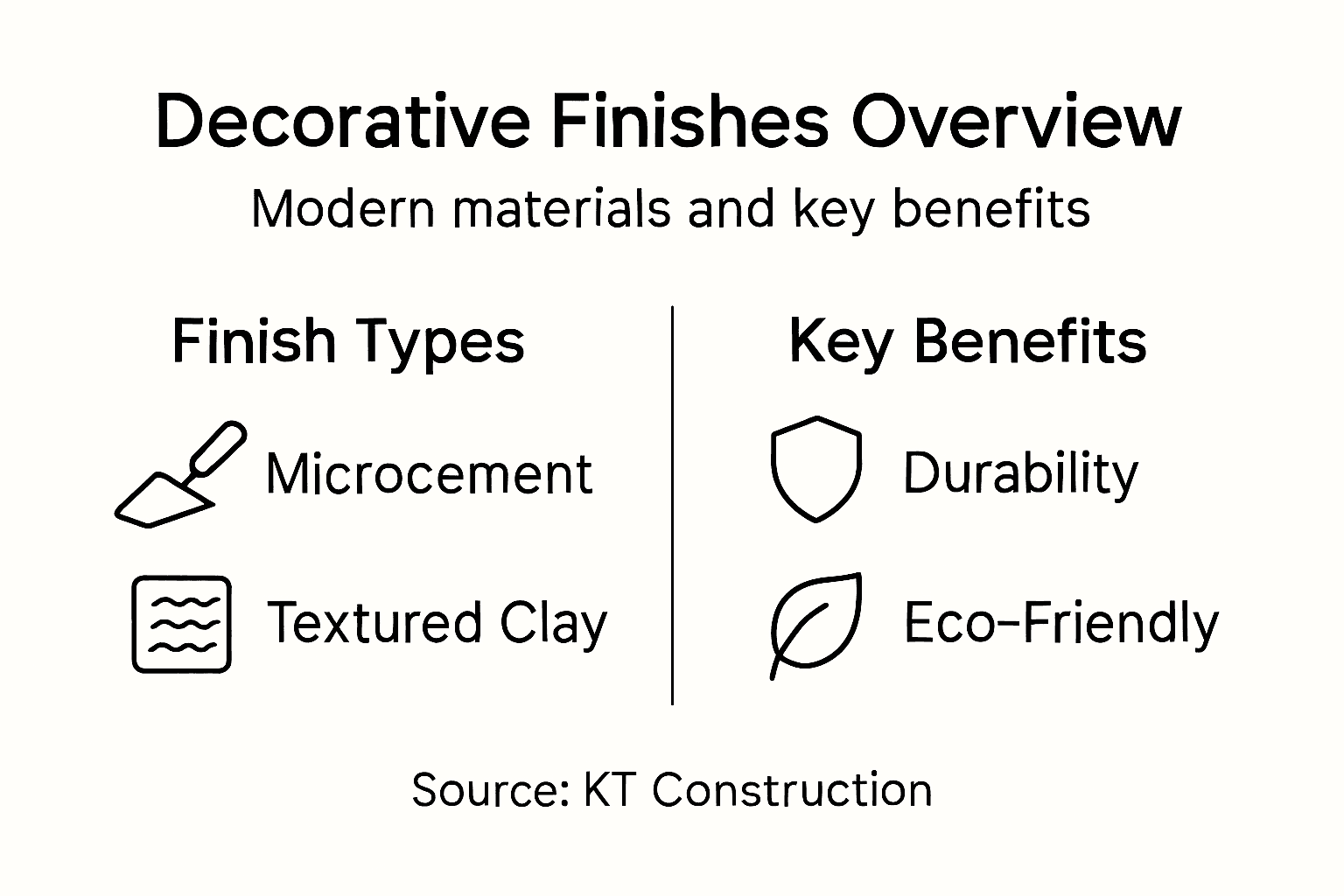
Modern decorative finishes include innovative materials like microcement, textured clay paints, liquid stone applications, and customised wall coverings. Each technique offers unique visual and tactile qualities that can dramatically alter a room’s perception, transforming plain walls into artisan-crafted surfaces with depth, character, and sophistication.
Pro tip: When selecting decorative finishes, consider both aesthetic appeal and practical performance to create spaces that are visually stunning and functionally resilient.
Types and Applications of Decorative Surface Finishes
Decorative surface finishes represent a sophisticated range of materials that transform interior spaces, offering architects and designers remarkable versatility in creating unique environments. Surface finishes in interior architecture play a crucial role in defining spatial identity and supporting functional design requirements.
The primary types of decorative surface finishes include:
- Natural stone finishes: Marble, granite, slate
- Wood and veneer cladding: Providing warmth and organic texture
- Ceramic and porcelain applications: Ideal for wet areas
- Textured wall coverings: Creating visual depth and interest
- Concrete and microcement: Offering industrial and contemporary aesthetics
- Metal cladding: Delivering luxurious and sophisticated surfaces
Each surface finish brings unique characteristics to interior spaces, enabling designers to craft environments that are both visually stunning and functionally sophisticated. Microcement, for instance, offers seamless application with minimal joints, creating a smooth, contemporary look that works brilliantly in modern kitchens, bathrooms, and living areas.
Here is a comparison of common decorative surface finishes used in modern interiors:
| Finish Type | Visual Effect | Durability | Ideal Application Area |
|---|---|---|---|
| Microcement | Smooth and seamless contemporary | Highly durable | Kitchens, bathrooms, living rooms |
| Natural Stone | Luxurious and organic | Extremely long-lasting | Entrance halls, feature walls |
| Ceramic/Porcelain | Sleek and moisture resistant | Highly resistant | Bathrooms, kitchens, utility areas |
| Wood/Veneer | Warm and textured | Moderately durable | Living spaces, bedrooms |
| Metal Cladding | Reflective and sophisticated | Very strong | Feature walls, commercial spaces |
| Textured Wallcovering | Patterned and tactile | Varies by material | Living rooms, hotel lobbies |
The selection of surface finishes depends on multiple factors including aesthetic preferences, durability requirements, maintenance considerations, and the specific functional demands of the space. Some finishes excel in high-moisture environments, while others are prized for their thermal insulation or acoustic properties.
Pro tip: When selecting decorative surface finishes, always consider the specific environmental conditions and intended use of the space to ensure optimal performance and longevity.
Key Benefits: Durability, Versatility, and Eco-Friendliness
Decorative surface finishes offer far more than aesthetic appeal, representing a sophisticated intersection of performance, design flexibility, and environmental responsibility. Eco-friendly decoration materials provide significant advantages that extend well beyond traditional surface treatments.
The key benefits of modern decorative finishes include:
- Enhanced durability: Resistant to wear, moisture, and environmental stressors
- Design versatility: Adaptable to multiple interior styles and architectural contexts
- Sustainability: Reduced environmental impact through responsible material selection
- Improved indoor air quality: Low VOC emissions and natural material compositions
- Long-term cost-effectiveness: Reduced maintenance and replacement requirements
Sustainable finishes are particularly compelling, combining aesthetic sophistication with environmental consciousness. Sustainable design techniques demonstrate that eco-friendly materials can deliver exceptional performance while minimising ecological footprint.
The durability of modern decorative finishes means homeowners can invest in surfaces that maintain their aesthetic integrity for years, reducing waste and supporting a more sustainable approach to interior design. Advanced materials like microcement, natural stone, and recycled-content finishes offer remarkable longevity and resilience, ensuring that style does not come at the expense of environmental responsibility.
Pro tip: Select decorative finishes that balance aesthetic appeal with sustainable manufacturing processes to create spaces that are beautiful, durable, and environmentally conscious.
Customisation, Style, and Artisanal Craftsmanship
Decorative surface finishes represent more than mere aesthetic treatments; they are expressions of individual style, creativity, and meticulous craftsmanship. Artisanal craftsmanship in luxury design emphasises the unique narrative and personalised character that handcrafted finishes bring to interior spaces.
The key aspects of customisation and artisanal craftsmanship include:
- Unique design expression: Tailored to individual aesthetic preferences
- Heritage techniques: Preserving traditional surface treatment methods
- Personalised colour palettes: Bespoke colour matching and development
- Handcrafted texture variations: Creating distinctive surface narratives
- Cultural storytelling: Incorporating design elements with meaningful background
Modern decorative finishes like microcement and textured clay paints allow extraordinary levels of personalisation, enabling designers and homeowners to create truly bespoke interior environments. Each surface becomes a canvas for artistic expression, with subtle variations and unique characteristics that mass-produced materials cannot replicate.
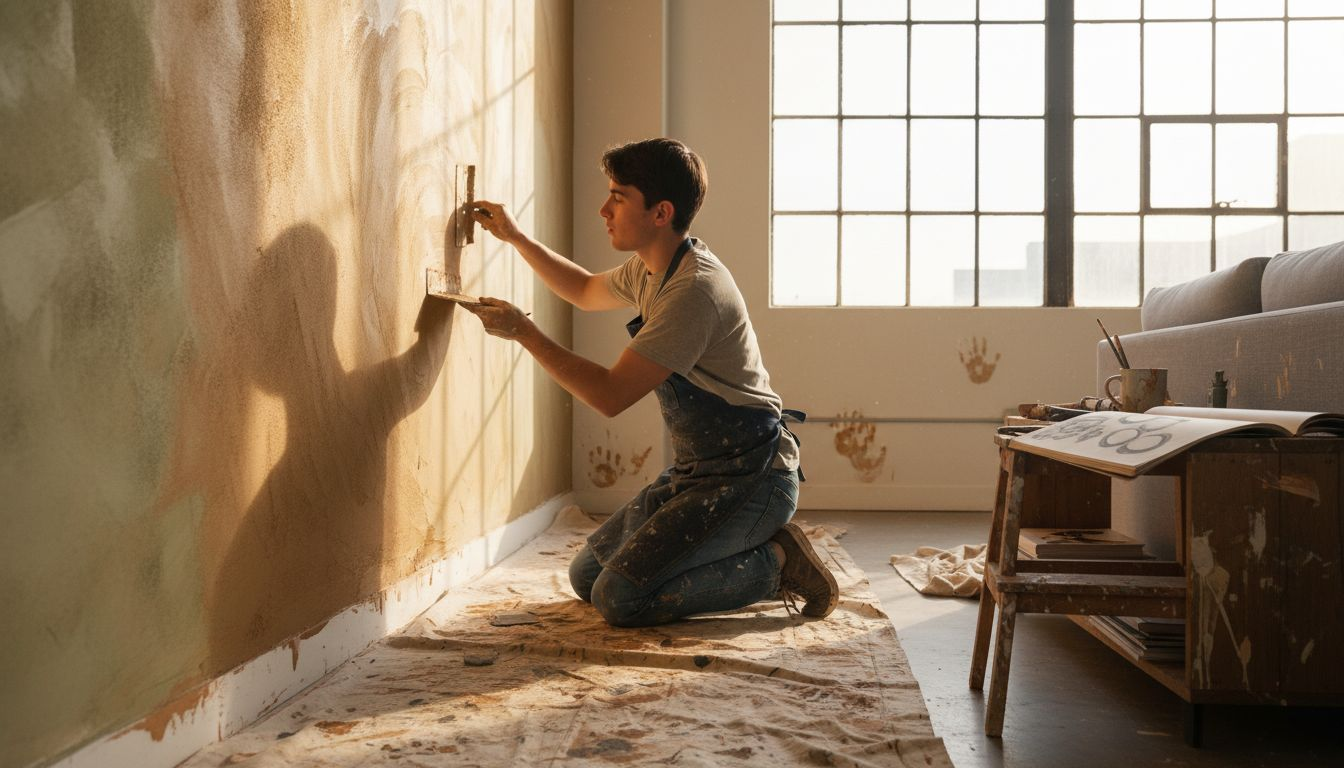
The commitment to artisanal techniques transforms surface treatments from mere functional coverings into sophisticated design statements. By selecting handcrafted finishes, homeowners invest in surfaces that carry authentic craftsmanship, cultural significance, and individual character, moving beyond standardised aesthetic solutions.
Pro tip: Choose decorative finishes that reflect your personal narrative and design philosophy, transforming spaces into authentic expressions of individual style.
Cost, Maintenance, and Comparing Alternatives
Comparing decorative surface finishes requires a comprehensive evaluation of initial investment, long-term performance, and maintenance requirements. Wall finishes impact comfort and maintenance significantly, making cost analysis crucial for informed decision-making.
Key comparative factors for decorative surface finishes include:
- Initial material costs: Price per square metre
- Installation complexity: Labour requirements and skill level
- Long-term durability: Expected lifespan and wear resistance
- Maintenance frequency: Cleaning and restoration needs
- Performance characteristics: Moisture resistance, thermal properties
Cost comparison for finishing materials demonstrates that higher upfront investments often yield substantial long-term savings. Microcement and sealed textured plasters, for instance, offer superior durability and reduced maintenance compared to traditional wall coverings.
Advanced surface finishes like microcement provide exceptional value by minimising future renovation costs. Their seamless application, resistance to moisture, and minimal maintenance requirements make them a financially prudent choice for discerning homeowners seeking both aesthetic sophistication and economic efficiency.
To assist with material selection, here’s a summary of how key factors vary between surface finish types:
| Selection Factor | Stone & Metal | Microcement & Concrete | Wood & Textured Covering |
|---|---|---|---|
| Initial Investment | High | Moderate to high | Moderate |
| Maintenance Effort | Low to moderate | Low | Moderate to high |
| Environmental Impact | Variable (stone mining, metal refining) | Low if eco-formulated | Can be sustainable if FSC certified |
| Customisation Level | Limited | Highly customisable | Highly customisable |
| Installation Speed | Slow | Moderate | Quick to moderate |
Pro tip: Calculate the total lifecycle cost of surface finishes, considering not just initial price but long-term maintenance and replacement expenses.
Elevate Your Contemporary Interiors with Expert Decorative Finishes
Transforming modern spaces requires more than just ordinary surface treatments. As highlighted in the article, challenges such as finding durable, waterproof, and highly customisable finishes that also offer artisanal craftsmanship and eco-friendly qualities are common pain points for homeowners and designers alike. Embracing materials like microcement and textured wall coverings can deliver long-lasting beauty while addressing concerns about maintenance and environmental impact.
At KT Construction, we specialise in applying seamless decorative finishes that perfectly balance style, durability, and sustainability. With over 20 years of experience, our team works closely with clients across the South of England to create personalised, sophisticated interiors that truly reflect individual tastes.
Discover how our expertise in microcement floors, walls, stairs, and bespoke surface coatings can bring your contemporary interior vision to life.
Ready to redefine your living or commercial space with innovative decorative finishes that stand the test of time Choose KT Construction for unparalleled craftsmanship and personalised service. Visit us today to explore our full range of eco-friendly solutions and start your transformation journey now.
Frequently Asked Questions
What are decorative finishes in interior design?
Decorative finishes are specialised surface treatments that enhance the aesthetics and functionality of interior spaces, offering a range of textures, materials, and visual effects that go beyond basic paint or wallpaper.
What are the key benefits of using decorative finishes?
The main benefits include enhanced durability, design versatility, improved indoor air quality, low maintenance requirements, and sustainability. They offer both aesthetic appeal and functional performance in modern interiors.
How do I choose the right decorative finish for my space?
When selecting decorative finishes, consider factors such as the aesthetic you wish to achieve, durability needs, maintenance requirements, and the specific functional demands of the space, such as moisture or acoustic properties.
Can decorative finishes be customised?
Yes, many decorative finishes can be customised to reflect individual style and preferences, with options for bespoke colour palettes, textures, and artisanal craftsmanship, allowing for unique and personal design expressions.
