
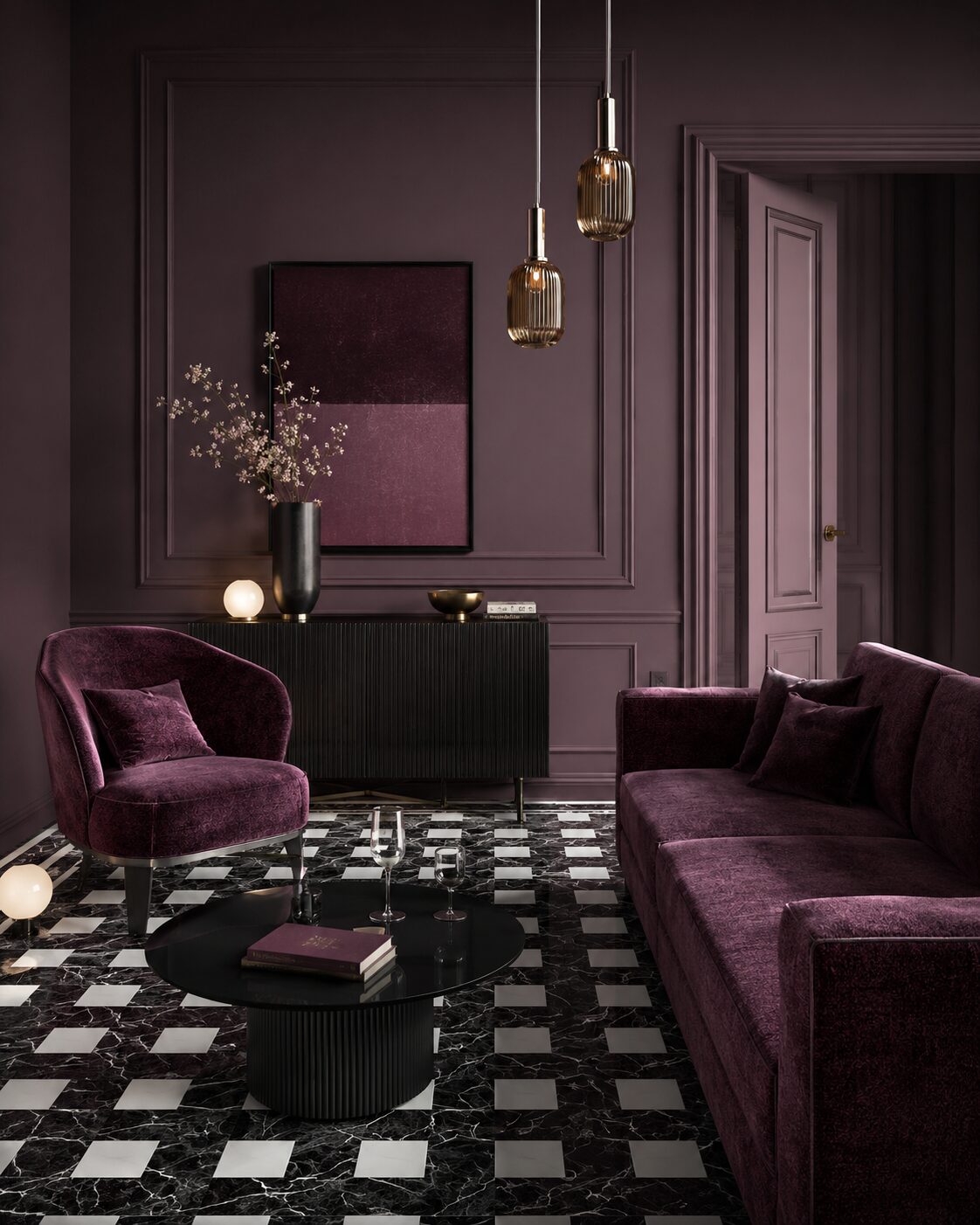
Microcement in hospitality lives a much harder life than microcement at home. Bar fronts get kicked, restaurant floors are mopped twice a day with strong cleaners, hotel corridors take rolling luggage. The product is more than capable — but only if it's specified for the duty cycle.
This is a working spec note for designers, contract administrators and developers.
Pick the right system, not the right colour
There's a tendency to specify by colour and finish family and let the contractor pick the underlying system. That's the wrong order. Specify the system first — wall vs floor, commercial vs residential, sealer chemistry — then choose the colour from the shades that system supports.
Sealer matters more than anything
- Two-pack polyurethane sealer is the only sealer worth specifying for commercial floors. Single-pack water-based sealers wear through in 12–18 months under restaurant traffic.
- Matt and satin sealers age more gracefully than polished. Polished shows micro-scratches immediately under hospitality wear.
- Anti-slip additive: ask for a Pendulum Test Value (PTV) on the sealed sample, not just a finish description.
Programme realism
A microcement floor in a 200 m² restaurant is a 10–12 day programme: 3 days basecoats, 2 days finishing, 2 days sealer build, 3 days for the floor to harden before furniture goes back. Compress this and you'll lose the floor in the first month of trading.
Fire and slip compliance
- Reaction to fire: most quality microcement systems achieve Bfl-s1 to BS EN 13501-1 — request the data sheet for the specific sealer.
- Slip resistance: Pendulum Test Value of 36+ in the wet condition is the threshold for hospitality. Achievable with anti-slip additive in the topcoat.
- Hygiene: PU-sealed microcement is non-porous, easy to clean, and HACCP-compatible for food prep adjacencies (subject to the local environmental health officer).
Repairability
The single most useful question to ask before commissioning: can a section be repaired and re-blended on a live site? With our system the answer is yes — we keep colour-batch records on every commercial install and can patch a damaged area in 48 hours without taking the room out of service overnight.